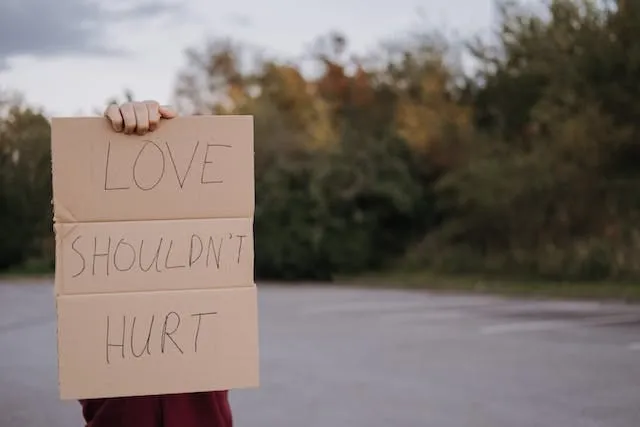

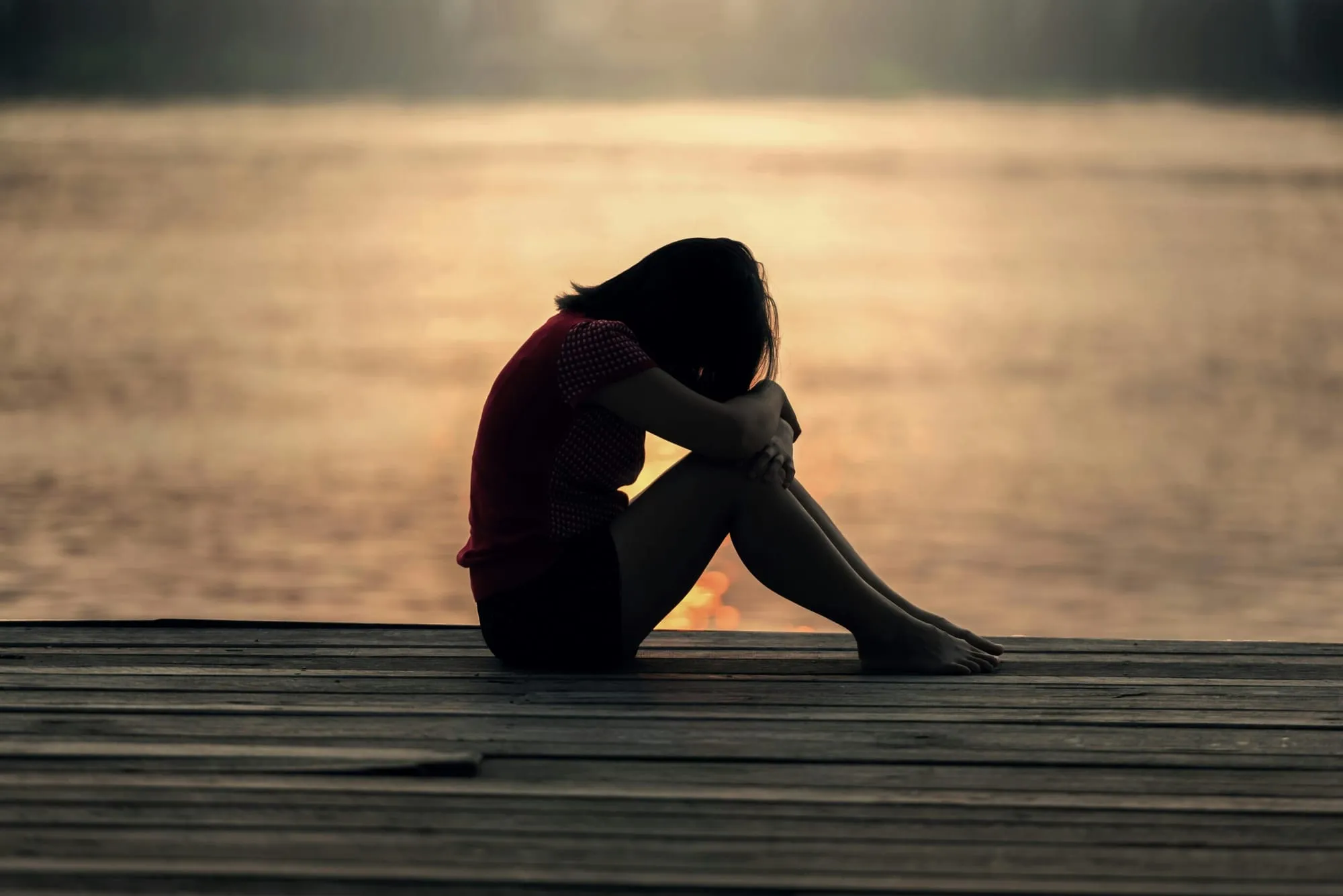
There are moments in life when helplessness swallows you whole and despair hits you like a storm that leaves everything in ruins.
The trauma that comes afterwards isn't just a memory, it's a weight that holds you captive and makes every step forward harder.
This is a story about the struggle to cope with those moments of helplessness and to find a way to recover, despite everything that is happening to you.
Sexual violence is a trauma that stays in your mind and body, weaving itself into everyday life in ways you never imagined.
It isn't just a moment – it's the nightmares that wake you up screaming, the memories that spin in an endless loop, and the overwhelming fear that safety is a concept made for other people, but not for you.
For me, the road to healing was long and painful, but running, the quiet support of my coaches and the bond with my team became lifelines. They didn't erase the pain, but they reminded me of my strength at moments when I could no longer see it. This is a story of survival, of struggle and of slowly finding the way back, interwoven with the cruel reality of trauma and the resilience of the human spirit.
The nightmares were one of the hardest parts. They weren't just bad dreams, they were reminders of the trauma that seemed far too real to ignore. I often woke up anxious and unable to shake off the fear. Some nights I even avoided closing my eyes, just to avoid reliving the horror.
During the day, intrusive memories would often catch me off guard. Little things – a sound, a glance or an ordinary conversation – could unleash a wave of anxiety. I felt as if I was there, but not entirely. Total autopilot, running on the leftover habits of how my days used to go before.
Running came back to the fore as the only way to cope with what I was feeling. On the days when I managed to get out of bed, the steady rhythm of my footsteps helped me break away from the thoughts in my head. Every step was an attempt to stand up to the memories that kept me locked in. There was something beautiful about getting a break from the old you and feeling how much it mattered, because it was the only thing that could give me back my strength of spirit and the magic of the world.
But there were many days when I couldn't fight. The weight of it all – the memories, the fear, the exhaustion – kept me in bed for hours, sometimes for whole days.
Sleep was out of reach, and without it I couldn't find the energy to move. My appetite vanished and the eating disorder was already there. At first I skipped meals because I wasn't hungry, but soon it turned into a punishment.
My guilt over what had happened made me believe that my body was the cause, and that denying myself food was the only way to take back control.
That spiral had its consequences. My body grew weaker and the injuries piled up when I tried to get back into training. Stress fractures kept me from training the way I wanted to and, therefore, the way I know I can. This led to race results that were, for me, terrible, and to unmet goals for the year, and the disappointment over the lost progress only deepened the shame. I wasn't just losing the strength in my legs – I was losing the version of myself I had worked so hard for.
The worst part was the feeling that I was letting down everyone around me – my coaches, my team, even myself. Every missed session felt like a betrayal, and the guilt was overwhelming.
I was afraid to tell them why I wasn't turning up, terrified that they would see me as weak or unreliable. I rehearsed the conversation in my head a thousand times, but nothing could prepare me for the vulnerability of saying it out loud. When I finally found the courage to call them, my voice was shaking, because the only feeling I had at the time was guilt. Guilt at not being able to be a worthy athlete.
I expected judgement or an awkward silence, but instead they listened to me with compassion. They didn't ask for details and they didn't try to “fix” me – they simply told me they would be there for me – if I needed them.
That conversation marked a turning point. For the first time I felt that I didn't have to carry everything alone. I began to open up to my friends as well. Every time I shared a piece of my story, I felt I was taking a small step towards getting my voice back.
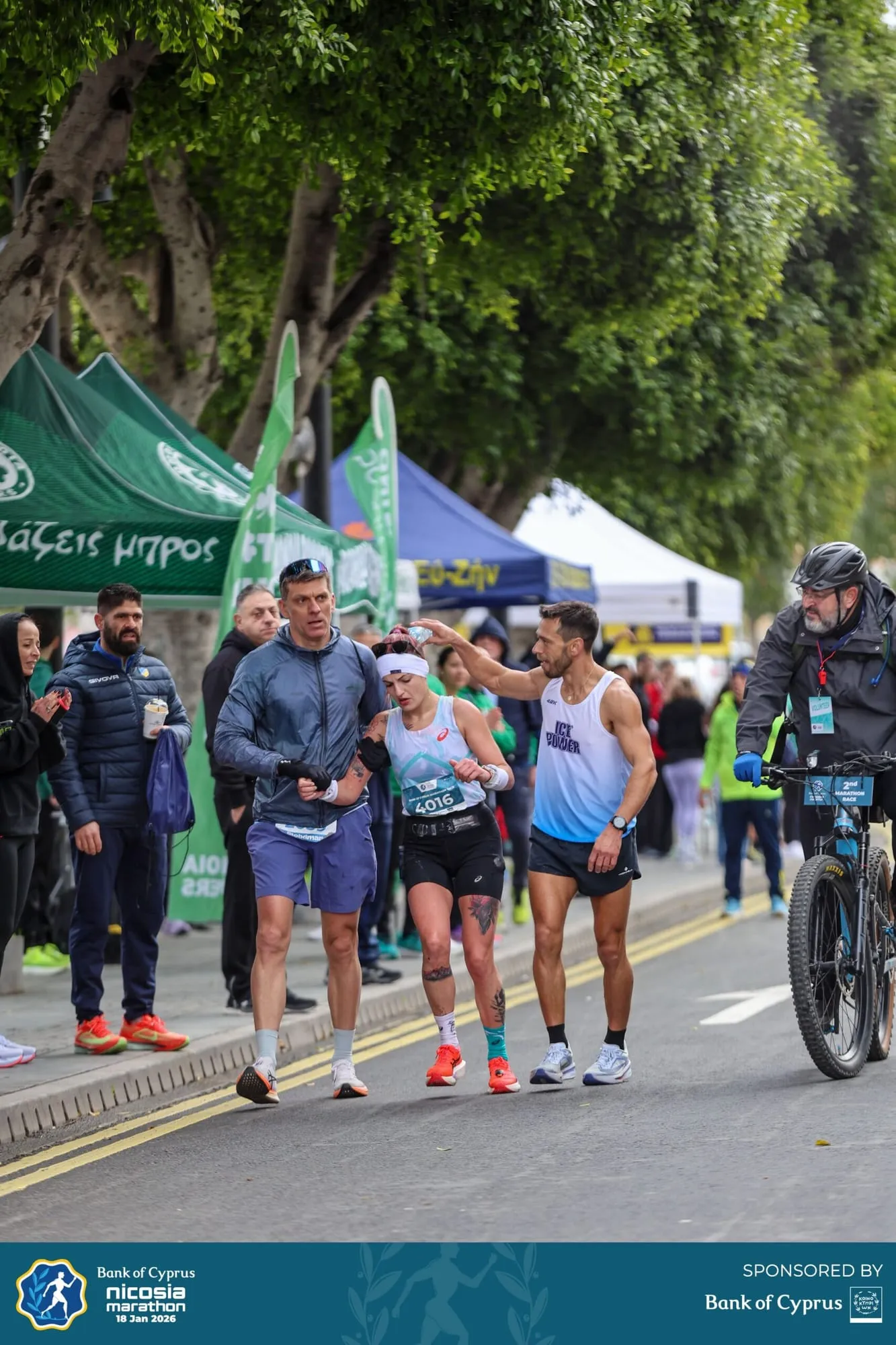
Returning to running wasn't an instant fix. The lost progress haunted me and every run felt like another fall. But my coaches and teammates never pushed me. They celebrated the small victories – running a single kilometre, turning up to training, even just putting my trainers on on the hard days. Their support reminded me that healing isn't about perfection, it's about persistence.
Running came to symbolise my recovery. It taught me to accept the pain without letting it define who I am. With every step forward, the sense of healing grew. With every step forward, I reclaimed parts of myself that I had lost.
Running, my coaches and my teammates became quiet healers who taught me the value of keeping going, even when it's hard.
Therapy and books gave me the tools to face the memories that used to control me. And although the pain hasn't gone away, it is no longer the loudest voice in my life.
Sexual violence leaves scars that never completely fade. The nightmares, the memories and the fear are still there, but they no longer define me.
Healing is a journey full of setbacks, pain and moments of despair. But it is also full of resilience, growth and unexpected sources of strength.
Over the past year, therapy has been a cornerstone of my recovery. My therapist helped me face the memories that used to control me and reframe the beliefs that kept me trapped in shame. I learnt how to ground myself and how to challenge the self-criticism that had haunted me for so long, but the process wasn't easy. It often felt like reopening old wounds – sessions after which I left feeling more broken than before I started. But little by little, the pieces began to come together.
Trauma can have a profound effect on the way we react to stress and danger, changing the way our brain processes fear.
According to the National Institute of Mental Health, trauma can alter the brain's fear responses, making people more prone to flashbacks and hypervigilance. This strain can also take its toll on physical health, with survivors often facing problems linked to self-rejection and exhaustion. Studies show that sharing the trauma with people you trust can ease the feeling of isolation, and that trauma-focused therapy helps to restore a sense of control and reduce the symptoms of post-traumatic stress disorder.
Recovery, however, isn't only emotional – physical activity plays an important part too. It can reduce stress, lift your mood and bring back a sense of control, with every step forward being a way of reclaiming the parts of myself that the trauma tried to take away.
To anyone who is still in the depths of their healing:
it's normal to struggle. It's normal to feel lost. But don't give up.
Healing is possible – not because the pain disappears, but because you learn to carry it with strength and grace. Every kilometre I run now reminds me that I am more than my trauma.
I am a survivor. I am healing. And I am still moving forward.